Livestock Insurance

Livestock Risk Protection (LRP) Insurance | Fed, Feeder Cattle & Swine

Livestock producers know that raising cattle or swine comes with uncertainty. Weather, feed costs, transportation, and market conditions can all affect profitability. One of the biggest challenges is not knowing what market prices will look like when it is time to sell. A sudden drop in prices can quickly reduce the value of months of hard work.

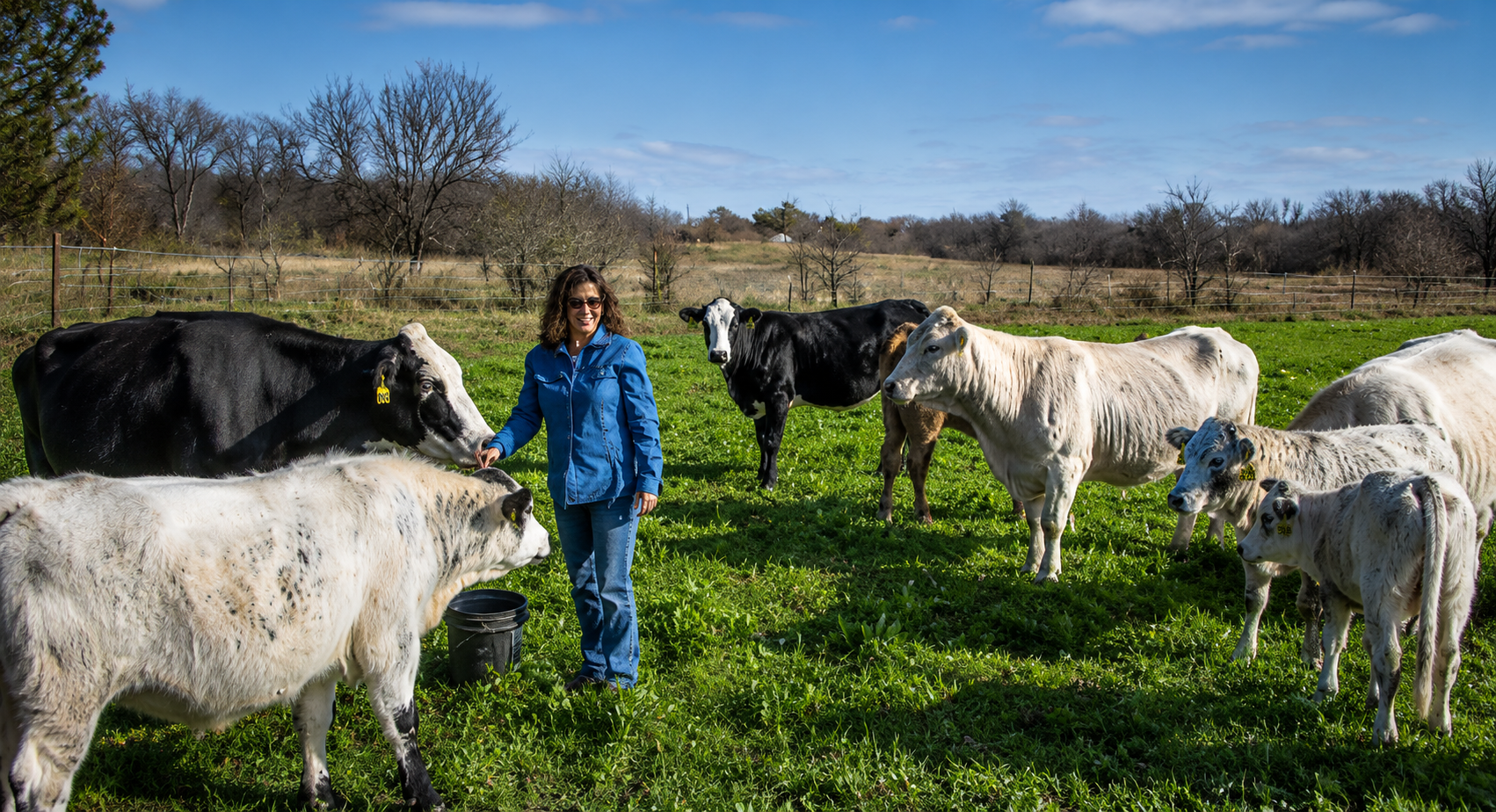
Texas cattle producer inspecting a herd while discussing Livestock Risk Protection (LRP) Insurance in Texas for fed cattle, feeder cattle, and swine price protection.

Livestock Risk Protection (LRP) Insurance

Protect your livestock operation against unexpected market price declines with Livestock Risk Protection. Learn how this USDA-backed insurance program helps producers manage market risk while maintaining the flexibility to market livestock according to their operation.

Request an LRP Quote

Livestock Risk Protection, commonly called LRP, helps reduce that uncertainty. This USDA-backed insurance program allows producers to protect against falling market prices while keeping the freedom to sell livestock when it makes the most sense for their operation.

Whether you raise feeder cattle, fed cattle, or swine, Livestock Risk Protection can become an important part of your overall risk management strategy.

What Is Livestock Risk Protection?

Livestock Risk Protection is a federally subsidized insurance program offered through the USDA Risk Management Agency. It allows producers to establish a price floor for eligible livestock without using futures contracts or options trading.

Many producers appreciate that LRP is much easier to understand than commodity trading. There are no brokerage accounts to open. There are no margin calls. You simply purchase coverage through an approved livestock insurance agent and choose the protection that fits your marketing plans.

That means producers can continue running their operation without constantly watching the commodity markets.

Why Livestock Risk Protection Matters

Every livestock producer has experienced market swings. Prices may look strong when calves are weaned, but by the time they reach market weight, the value may have changed dramatically.

Many ranchers have shared stories of expecting one price at sale time only to watch the market fall weeks before delivery. While no one can control the market, producers can control how much financial risk they choose to accept.

Livestock Risk Protection provides an opportunity to protect your investment against those unexpected market declines.

Livestock Eligible for LRP Coverage

LRP insurance currently provides coverage for several classes of livestock, including:

  • Fed Cattle
  • Feeder Cattle
  • Swine

Coverage is available throughout the year, allowing producers to purchase endorsements that align with their expected marketing dates.

Because every operation is different, coverage can be customized based on the number of head, ownership interest, marketing schedule, and desired level of protection.

How Livestock Risk Protection Works

The process is straightforward.

First, you choose the number of livestock you want to insure.

Next, you select an endorsement period that closely matches when you expect to market your animals.

After that, you choose your desired coverage level and insured price.

At the end of the endorsement period, USDA compares your insured coverage price to the national ending value.

If market prices fall below your insured value, you may receive an indemnity payment.

If market prices remain above your insured value, no payment is made, and you simply pay the premium for the protection you purchased.

This approach allows producers to protect against downside market risk while still benefiting if prices increase.

Benefits of Livestock Risk Protection

Protection Against Falling Prices

The primary benefit of LRP is protection from declining livestock prices. Even during periods of market volatility, producers know they have established a level of price protection.

No Margin Calls

Unlike futures trading, LRP does not require producers to deposit additional money if markets move against them. This can make budgeting much easier.

Federal Premium Subsidies

Because the USDA subsidizes a portion of the premium, many producers find LRP to be an affordable risk management tool.

Flexible Marketing

One feature producers appreciate is the flexibility to market livestock according to their own operation. There are no delivery requirements or restrictions on where livestock must be sold.

Fits Existing Marketing Plans

LRP works alongside many existing marketing strategies. Whether producers market through auction barns, direct sales, video auctions, or retained ownership programs, LRP can often complement those plans.

Livestock Risk Protection Documents

Livestock Risk Protection Overview

Download PDF

LRP Feeder Cattle Fact Sheet

Download Fact Sheet

LRP Fed Cattle Fact Sheet

Download Fact Sheet

LRP Swine Fact Sheet

Download Fact Sheet
Call (806) 372-3801

Who Should Consider Livestock Risk Protection?

Livestock Risk Protection can benefit operations of nearly every size.

Cow-calf producers often use LRP to protect the value of calves before sale.

Stocker operators may use coverage while cattle are gaining weight on grass.

Backgrounding operations can protect livestock while preparing them for feedyards.

Feedyards frequently use LRP as part of a larger marketing strategy.

Swine producers can also use the program to help reduce market uncertainty.

Even producers with years of experience know that markets can change quickly. LRP provides another layer of financial protection.

Livestock Risk Protection Versus Livestock Mortality Insurance

One of the most common questions producers ask is whether Livestock Risk Protection replaces livestock mortality insurance.

The answer is no.

These two insurance products protect against completely different risks.

What LRP Covers

Livestock Risk Protection helps protect against declining market prices.

If cattle prices drop before your planned marketing date, your policy may provide an indemnity payment.

LRP does not insure against death, sickness, injury, theft, or production losses.

What Livestock Mortality Insurance Covers

Livestock Mortality Insurance protects the value of the animal itself.

If an insured horse, breeding bull, dairy cow, or other covered livestock dies from a covered cause of loss, mortality insurance may help reimburse the financial loss.

However, mortality insurance does not provide any protection if cattle prices decline.

A Real World Example

Imagine a producer plans to market 150 feeder cattle in six months.

Before sale day arrives, the national cattle market experiences an unexpected decline.

Because the producer purchased Livestock Risk Protection, the lower ending value may trigger an indemnity payment that helps offset the reduced selling price.

Now imagine one of those cattle dies from a covered cause during the policy period.

LRP would not provide payment for that loss because it only protects against price declines.

If the producer also carried Livestock Mortality Insurance, that separate policy could respond to the covered death loss.

This example shows why many successful livestock operations choose to use both coverages.

Why Many Producers Carry Both Policies

Modern livestock operations face two major financial risks.

The first is market risk. Prices change every day based on supply, demand, exports, weather, feed costs, and countless other factors.

The second is mortality risk. Valuable animals can be lost due to accidents, illness, weather events, or other covered causes.

Livestock Risk Protection helps manage price risk.

Livestock Mortality Insurance helps manage animal loss risk.

Together they create a stronger financial safety net for many producers.

Frequently Asked Questions

Livestock Risk Protection (LRP) is a federally subsidized USDA insurance program designed to help protect livestock producers against declining market prices while allowing flexibility in how and when livestock are marketed.

Yes. Livestock Risk Protection is available throughout Texas through approved livestock insurance agents.

Coverage is currently available for:

  • Fed Cattle
  • Feeder Cattle
  • Swine

Learn more by downloading the official USDA fact sheets:

No. Livestock Risk Protection only protects against declining market prices. Livestock Mortality Insurance protects against covered death losses.

Yes. One of the advantages of LRP is the flexibility to market livestock according to your operation rather than being required to sell through a specific marketing channel.

Yes. Livestock Risk Protection is a federally subsidized insurance program administered through the USDA Risk Management Agency (RMA), helping producers manage market risk with reduced premium costs.

No. LRP does not require a brokerage account or margin calls, making it a simple and effective way for many livestock producers to manage market price risk.

What LRP Does Not Cover

It is important to understand what Livestock Risk Protection is designed to do.

LRP does not cover:

  • Death losses
  • Disease
  • Injury
  • Theft
  • Production losses
  • Veterinary expenses

Livestock must also meet USDA eligibility requirements, and coverage must be purchased through an approved livestock insurance agent before coverage begins.

Understanding these limitations helps producers select the right combination of insurance products.

Choosing the Right Coverage for Your Operation

Every livestock operation is unique.

A cow-calf ranch has different concerns than a feedyard. A breeding operation may have different priorities than a swine producer.

That is why working with an experienced livestock insurance professional is valuable. An agent who understands both livestock markets and insurance products can explain your options and help you choose coverage that fits your goals.

Many producers discover that combining Livestock Risk Protection with Livestock Mortality Insurance gives them more complete protection against both market volatility and unexpected livestock losses.

Request a Livestock Risk Protection Quote

If you are looking for Livestock Risk Protection Insurance, our team can help you evaluate your operation and explain your available coverage options.

We work with cattle producers, swine operations, stocker operators, backgrounders, feedyards, and ranchers throughout the livestock industry. We can provide current coverage information, premium estimates, and personalized recommendations based on your marketing plans.

Whether you need Livestock Risk Protection, Livestock Mortality Insurance, or both, we are here to help protect your investment and your livelihood. Contact us today to discuss your operation and receive a customized quote designed around your risk management goals.

Learn More About Livestock Risk Protection

Explore each Livestock Risk Protection program, learn how coverage works, and download the official USDA fact sheets. Whether you raise fed cattle, feeder cattle, or swine, National Livestock Insurance is here to help you make informed risk management decisions.

Livestock Risk Protection Overview

Learn how the LRP program works and how it helps protect producers against market price declines.

Learn More Download Guide

LRP Fed Cattle

Learn about coverage options designed for finished cattle marketed for slaughter.

Learn More USDA Fact Sheet

LRP Feeder Cattle

Discover how LRP helps protect feeder cattle operations from market price declines.

Learn More USDA Fact Sheet

LRP Swine

See how swine producers can use LRP to manage changing market conditions.

Learn More USDA Fact Sheet