
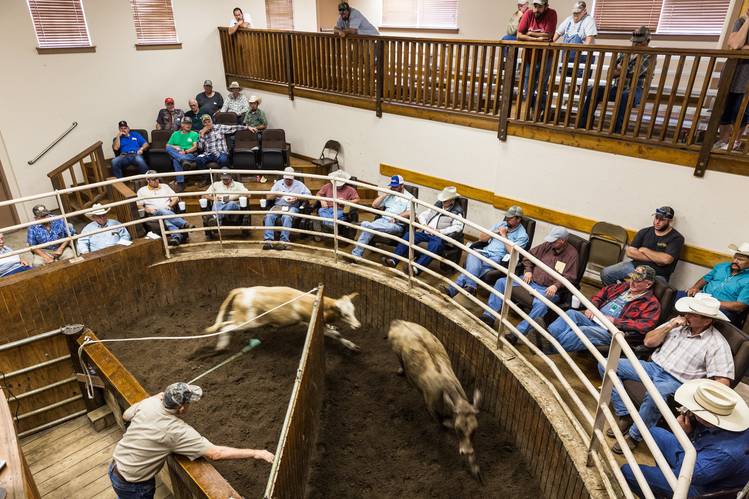
At National Livestock Insurance in Amarillo, Texas, we have specialized in livestock insurance since 1972. We understand the unique challenges auction operators face because we work with livestock markets, sale barns, and agricultural businesses throughout Texas. Our goal is to help you find insurance solutions designed specifically for the livestock industry.
Why Auction Operators Need Specialized Insurance
Running a livestock auction is different from operating most other businesses. Auction operators temporarily assume responsibility for livestock owned by ranchers, producers, and consignors. During that time, every animal must be handled safely while moving through the auction process.
Although experienced employees and well-maintained facilities reduce risk, no operation can eliminate every unexpected event. Livestock behavior, changing weather conditions, equipment failures, and transportation issues can all create situations beyond your control.
Specialized insurance helps protect your operation from covered losses so you can continue serving your customers with confidence.
Understanding the Responsibilities of Auction Operators
Auction operators manage much more than the sale itself. Their responsibilities begin as livestock arrives at the facility and continue until the animals leave with their new owners.
Employees unload trailers, verify paperwork, sort livestock, assign holding pens, monitor animal conditions, coordinate buyers, conduct the auction, and oversee loading after the sale.
Every step requires attention to detail and careful planning. A single unexpected incident can affect both your customers and your business.
That is why insurance designed specifically for auction operators is so valuable.
Care, Custody, and Control
One of the most important concepts for auction operators is care, custody, and control.
When livestock owners deliver animals to your auction, your business temporarily becomes responsible for those animals. During that period, your operation may be financially responsible for covered losses involving livestock.
Many business owners believe their standard commercial liability policy automatically covers these situations. Unfortunately, that is often not the case.
Specialized coverage for auction operators is designed to address this important exposure and provide protection that reflects the unique nature of livestock auctions.
What Coverage for Texas Auction Operators May Include
Every livestock auction operates differently, so insurance should be customized for each business.
Depending on the policy, Coverage for Texas Auction Operators may help protect against covered losses involving livestock while the animals are under your care, custody, and control.
Coverage options vary based on the operation, policy limits, deductibles, underwriting guidelines, and carrier requirements. Working with a livestock insurance specialist helps ensure your policy reflects the specific needs of your operation.
The Risks Auction Operators Face Every Day
Texas livestock auctions remain busy throughout the year. Some facilities conduct weekly cattle sales, while others specialize in horses, sheep, goats, replacement females, breeding stock, or production sales.
Every auction day presents unique challenges.
Livestock may arrive after traveling several hours. Animals can react differently to unfamiliar surroundings. Employees must safely move livestock through unloading areas, holding pens, scales, alleyways, and loading chutes.
Texas weather also creates additional risks. High temperatures, winter storms, heavy rain, and strong winds can all affect livestock handling and facility operations.
Understanding these risks helps auction operators make informed decisions about protecting their businesses.
A Visit to a Texas Livestock Auction
One of the things that stands out when visiting a livestock auction is how much preparation takes place before the first bid is ever made.
I remember arriving at a Texas sale barn before sunrise and watching employees work together as trailers steadily pulled into the facility. Every person had a specific role. Some directed traffic while others unloaded cattle, checked paperwork, or prepared holding pens.
The auction itself lasted only a few hours, but the planning behind it represented years of experience. It became obvious that successful auction operators depend on both strong management and specialized insurance because unexpected situations can develop at any point during the day.
That experience reinforced why protecting an auction operation involves much more than simply purchasing a policy. It requires understanding how livestock markets actually operate.

.webp)