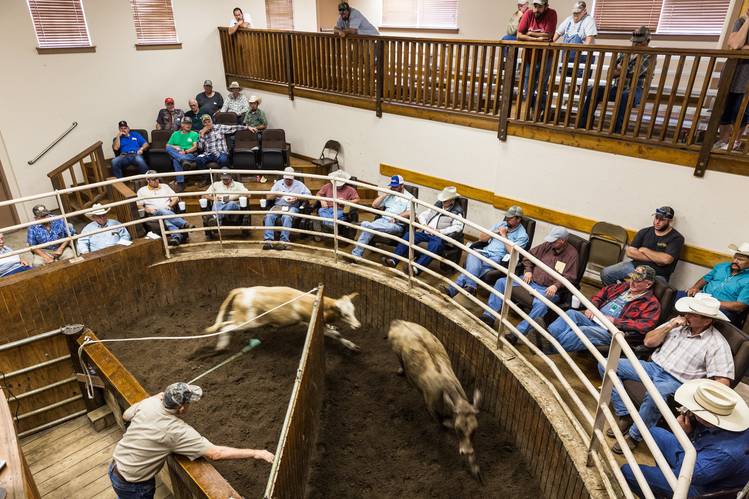
Livestock Auction Insurance in Texas

Protect your livestock investment with National Livestock Insurance Agency. Backed by The Hartford, rated A+ by AM Best, we provide comprehensive coverage against risks such as accidents, theft, and more. Our policies are designed to safeguard both your animals and your financial stability, giving you peace of mind no matter what happens at the sale barn.

Livestock Market Insurance and Livestock Auction Insurance for Texas Sale Barns

Operating a livestock market or auction barn is a vital part of the agricultural economy. Every week, livestock markets across Texas handle thousands of cattle, horses, sheep, goats, and other animals that represent significant financial investments for ranchers, producers, buyers, and sellers. While livestock auctions create opportunities for commerce and growth, they also expose operators to unique risks that can result in substantial financial losses. That is why Livestock Market Insurance and Livestock Auction Insurance are essential tools for protecting both auction operators and the livestock entrusted to their care.

National Livestock Insurance Agency understands the challenges facing today's sale barns and livestock markets. Backed by The Hartford, an A+ rated company by AM Best, National Livestock Insurance Agency provides specialized Livestock Auction Coverage designed specifically for livestock markets, auction facilities, and sale barn operators. These policies help protect against financial losses resulting from accidents, injuries, theft, transit-related incidents, and other covered events.

Why Livestock Markets Need Insurance

Livestock markets serve as temporary custodians of valuable animals. From the moment livestock arrive at an auction facility until they are sold and leave the premises, auction operators assume significant responsibility. During this time, animals may be unloaded, weighed, sorted, penned, inspected, sold, and reloaded for transportation.

Each stage of this process creates opportunities for accidents and losses. A frightened animal may injure itself while unloading. A vehicle accident could occur while livestock are in transit. Severe weather may damage fencing or facilities, allowing animals to escape. Theft, vandalism, and unexpected injuries can also occur.

Without proper Livestock Market Insurance, a single incident could result in significant financial liability. Livestock Market Coverage helps protect operators from these risks and provides peace of mind while conducting daily business operations.

For many auction operators, insurance is not simply a financial safeguard. It is an important part of responsible business management that helps protect relationships with customers, buyers, and sellers.

Livestock Auction Insurance in Texas

Texas is home to some of the largest livestock markets and auction facilities in the nation. The state's cattle industry alone contributes billions of dollars annually to the economy. Because of this, Texas Livestock Auction Insurance has become an essential component of risk management for auction operators throughout the state.

Texas livestock markets face unique challenges that may not exist elsewhere. Extreme weather conditions, long transportation distances, high livestock volumes, and rural operating environments can all increase exposure to risk. From the Panhandle to South Texas, livestock frequently travel hundreds of miles before reaching their destination.

Texas Livestock Market Insurance is designed to address these specialized risks by providing coverage options that reflect the realities of livestock marketing operations. Whether a sale barn handles weekly cattle auctions, horse sales, specialty livestock events, or mixed-species auctions, customized insurance solutions can help provide the protection needed to operate with confidence.

Sale Barn Insurance Coverage

Sale Barn Insurance is specifically designed to protect auction operators against financial losses associated with livestock handling and marketing activities. Every livestock market operates differently, which is why coverage can often be tailored to meet the unique needs of the operation.

A typical Livestock Sale Barn Insurance policy may include coverage for livestock while on market premises, during transportation, and while under the care of the auction operator. Additional options may be available to address specific exposures faced by individual facilities.

Because livestock represent valuable property belonging to others, protecting those animals is one of the most important responsibilities of a livestock market. Proper insurance coverage helps ensure that auction operators are prepared when unexpected events occur.

Care, Custody and Control Coverage

One of the most important components of Livestock Market Insurance is Care, Custody and Control Insurance. This specialized coverage protects auction operators when livestock owned by others are temporarily entrusted to their care.

When livestock arrive at an auction facility, the market assumes responsibility for those animals until ownership changes and the livestock leave the premises. During that period, the market may be liable for losses resulting from covered incidents.

Care Custody and Control Insurance may help provide protection when animals suffer injuries, death, theft, or other covered losses while under the market's supervision. Because livestock markets regularly handle animals belonging to multiple owners, this coverage is often considered one of the most important forms of protection available.

Without Care Custody and Control Insurance, auction operators could face significant out-of-pocket expenses if livestock are injured or lost while on market property.

Frequently Asked Questions

Livestock Market & Auction Insurance

This coverage helps protect livestock markets, sale barns, and auction facilities from financial losses when livestock owned by others die or must be humanely destroyed while in the market's care, custody, and control.

Even the best-run facilities can experience unexpected animal deaths due to injury, accidents, weather events, handling incidents, or other unforeseen circumstances. Mortality insurance helps protect the market from potentially significant financial losses.

Coverage is typically available for cattle, horses, sheep, goats, swine, and other approved livestock classes.

Coverage generally applies while livestock are in the care, custody, and control of the insured market, subject to the terms, conditions, and limitations of the policy.

Generally, no. Coverage is intended for unforeseen losses and may exclude animals with pre-existing illness, injury, or conditions that existed prior to arrival at the market.

Losses are typically settled based on the market value of the animal, sale records, ownership documentation, or other valuation methods outlined in the policy.

Yes. Most policies include a deductible, which can vary based on the size and needs of the operation.

Coverage varies by policy, but may include accidental death, injury requiring humane destruction, and other covered causes occurring while the livestock are under the market's responsibility.

Coverage varies by policy and carrier. Your agent can explain available options and policy limitations.

Coverage limits should reflect your operation's exposure, including average and peak livestock values, volume of animals handled, and sale schedules.

Premiums are generally based on annual head count, species handled, average livestock values, loss history, facility management practices, and requested coverage limits.

Annual livestock receipts, types of livestock sold, historical loss information, facility details, and current insurance information are typically required.

Notify your insurance carrier or agent as soon as possible. Documentation such as sale records, owner information, veterinary reports, photographs, and incident details may be required.

No. Proper livestock handling, facility maintenance, employee training, and sound operating procedures remain essential to reducing losses.

A specialist understands livestock market operations, claims handling, valuation issues, and the unique risks associated with auction facilities, helping ensure appropriate coverage and support when losses occur.

Contact our office with information about your livestock market operation, and we'll help design a mortality insurance program tailored to your needs.

Many market owners assume their general liability policy covers animal deaths. In most cases, livestock mortality exposure requires a separate policy specifically designed to protect animals in the market's care, custody, and control. This coverage fills an important gap that may not be addressed by standard liability insurance.

Coverage for Livestock on Market Premises

Animals housed at livestock markets face numerous risks throughout the auction process. Even well-maintained facilities with experienced staff cannot completely eliminate the possibility of accidents.

Livestock Market Coverage may provide protection for losses resulting from injuries sustained while animals are being unloaded, sorted, penned, or loaded. Coverage may also apply to theft or certain accidental losses that occur while livestock remain on the premises.

Large livestock sales often involve hundreds or even thousands of animals moving through facilities in a short period of time. The increased activity naturally creates opportunities for incidents that may result in financial losses.

Having Livestock Auction Coverage in place allows operators to focus on conducting successful sales rather than worrying about the financial consequences of unexpected events.

Livestock Market Transit Risks

Transportation is one of the most vulnerable stages of the livestock marketing process. Animals frequently travel long distances between ranches, auction facilities, feedyards, and final destinations. During transit, livestock face risks that can be difficult to predict or control.

Livestock Transit Insurance helps protect against covered losses that occur while animals are being transported. Risks may include vehicle accidents, rollover incidents, injuries sustained during loading or unloading, and certain theft-related losses.

Transportation-related claims can be particularly expensive because multiple animals may be affected during a single incident. For this reason, Livestock Transit Insurance is an important consideration for many auction operators.

When livestock travel across Texas highways, weather conditions, traffic accidents, mechanical failures, and other hazards can create significant exposure to financial loss. Proper coverage helps protect both the auction operator and livestock owners from these risks.

Straying and Escape Coverage

Animals occasionally escape despite the best efforts of experienced livestock handlers. Severe weather, damaged fencing, vehicle accidents, or unexpected animal behavior can all contribute to escape situations.

Optional coverage may be available for losses resulting from straying or escaped livestock. These situations can become particularly costly when escaped animals create public safety concerns or require extensive recovery efforts.

Events such as lightning strikes, vehicle collisions, wind damage, or power-related incidents can all contribute to escape-related losses. Optional protection helps provide additional security for operators concerned about these risks.

Auction Barn Liability Risks

Beyond protecting livestock themselves, auction operators must also consider broader liability exposures associated with operating a livestock market.

Auction Barn Liability risks may include customer injuries, visitor accidents, property damage claims, and incidents involving livestock that result in harm to third parties. Livestock facilities are active environments where large animals, vehicles, equipment, and numerous people interact on a regular basis.

Even with strong safety procedures in place, accidents can occur. Liability protection helps shield businesses from potentially devastating financial consequences that may arise from covered claims.

Every livestock market should evaluate its liability exposures carefully and work with experienced insurance professionals to determine appropriate levels of protection.

Common Livestock Auction Claims

Over the years, livestock markets have experienced a wide variety of claims. While every situation is unique, several types of losses occur more frequently than others.

Common Livestock Auction Insurance claims may involve:

  • Livestock injuries during unloading or loading
  • Transportation accidents
  • Death resulting from covered injuries
  • Theft of livestock
  • Escape or straying incidents
  • Property damage caused by livestock
  • Customer injury claims
  • Facility-related accidents
  • Severe weather losses

Understanding these common risks can help auction operators make informed decisions about their insurance needs and coverage limits.

Coverage Options for Auction Operators

Every livestock market is different. Some facilities conduct weekly cattle sales, while others focus on specialty livestock, horses, replacement females, breeding stock, or seasonal events.

Because of these differences, National Livestock Insurance Agency offers customized coverage options designed to meet specific operational needs. Available options may include:

  • Livestock Market Insurance
  • Livestock Auction Insurance
  • Sale Barn Insurance
  • Livestock Transit Insurance
  • Care Custody and Control Insurance
  • Livestock Market Liability Coverage
  • Straying and Escape Protection
  • Extended Coverage Periods
  • Customized Risk Management Solutions

Working with experienced livestock insurance professionals helps ensure that operators receive coverage tailored to their business

Understanding Policy Exclusions

While Livestock Market Insurance provides valuable protection, it is important to understand that not every situation will be covered. Common exclusions may include pre-existing health conditions, intentional acts, fraudulent claims, and losses resulting from negligence or improper care.

Reviewing policy details carefully allows operators to understand both the protections provided and the limitations that may apply. National Livestock Insurance Agency works closely with clients to explain coverage provisions and answer questions before policies are finalized.

Filing a Livestock Insurance Claim

When a covered loss occurs, prompt action can help ensure a smooth claims process. Operators should notify the insurance carrier as soon as possible after discovering a loss.

Documentation is often essential during the claims process. Records may include photographs, veterinary reports, transportation documents, sale records, inspection reports, and other supporting information.

Depending on the nature of the loss, an adjuster may be assigned to investigate the claim and evaluate damages. Once the review process is complete and coverage is confirmed, compensation may be issued according to policy terms.

Accurate record keeping before a loss occurs often helps simplify the claims process and improve outcomes.

Livestock Market Insurance FAQ

What is Livestock Market Insurance?

Livestock Market Insurance is specialized coverage designed to protect livestock markets, auction barns, and sale facilities from financial losses involving livestock, liability exposures, and transportation-related risks.

What is Livestock Auction Insurance?

Livestock Auction Insurance provides coverage for livestock auctions and sale barns that temporarily handle animals belonging to others. Coverage may include livestock losses, transit risks, and liability protection.

Why is Care Custody and Control Insurance important?

Care Custody and Control Insurance helps protect auction operators when livestock owned by customers are injured, lost, stolen, or affected by covered incidents while under the market's supervision.

Does coverage apply during transportation?

Many policies offer Livestock Transit Insurance that may provide protection for covered losses occurring while livestock are being transported to or from auction facilities.

Can coverage be customized?

Yes. National Livestock Insurance Agency offers customized solutions designed to address the specific risks faced by different livestock markets and auction operators.

How do I know how much coverage I need?

Coverage needs vary based on livestock volume, facility size, transportation exposure, and operational risks. Consulting with a livestock insurance specialist can help determine appropriate coverage levels.

Protect Your Livestock Market with Confidence

Operating a livestock auction requires dedication, expertise, and a commitment to protecting the animals entrusted to your care. While risks are an unavoidable part of the business, financial losses do not have to threaten the future of your operation.

National Livestock Insurance Agency provides comprehensive Livestock Market Insurance, Livestock Auction Insurance, Sale Barn Insurance, and Care Custody and Control Insurance solutions designed specifically for the livestock industry. Backed by The Hartford and supported by experienced professionals who understand agriculture, these policies help protect auction operators from many of the risks they face every day.

Whether you operate a small regional sale barn or one of Texas' larger livestock markets, the right insurance coverage can help safeguard your business, protect your customers, and provide peace of mind. Contact National Livestock Insurance Agency today to learn more about customized Texas Livestock Market Insurance solutions and discover how the right coverage can help protect your operation for years to come.