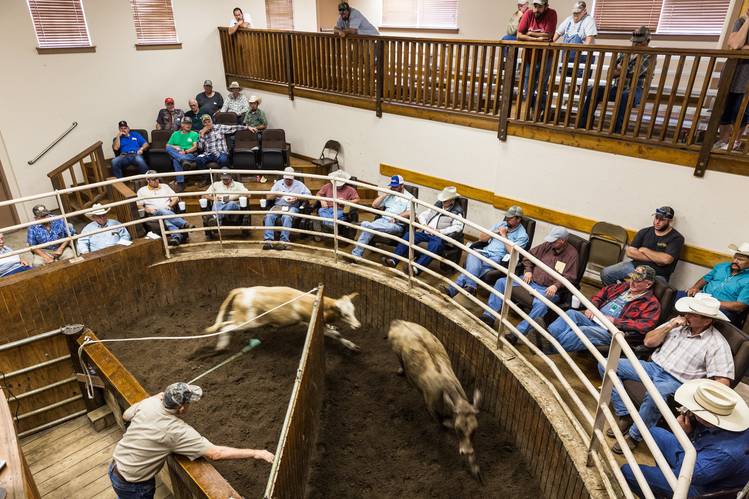
Livestock Market Insurance in Texas

Texas is home to one of the largest livestock industries in the nation. Every day, livestock markets across the state bring together ranchers, producers, buyers, and agricultural businesses to buy and sell cattle, horses, sheep, goats, swine, and other livestock. These markets play a critical role in keeping the agricultural economy moving, but they also face unique risks that require specialized protection. That is why Livestock Market Insurance in Texas is an important investment for every livestock market owner and operator.

At National Livestock Insurance in Amarillo, Texas, we have specialized in livestock insurance since 1972. We understand the responsibilities that come with operating a livestock market because agriculture is our business. Our goal is to help livestock markets protect their facilities, their customers, and the valuable animals entrusted to their care.

Why Livestock Market Insurance Is Important

Operating a livestock market involves much more than hosting an auction. Every sale day requires careful planning, experienced employees, safe facilities, and proper livestock handling.

When livestock owners bring animals to your market, they trust your business to care for those animals until they are sold or returned. During that time, your operation assumes important responsibilities that may create financial exposure if an unexpected event occurs.

Even the best-managed livestock markets cannot eliminate every risk. Having specialized livestock market insurance helps provide financial protection against covered losses while allowing you to focus on serving your customers.

The Unique Risks of Livestock Markets

Livestock markets operate in a fast-paced environment. Animals arrive from multiple ranches, farms, and feedyards throughout the day. Employees unload livestock, sort them into holding pens, monitor animal health, prepare paperwork, conduct the auction, and assist with loading after the sale.

Each step creates opportunities for unexpected incidents.

Animals can become injured while being moved through alleyways or loading chutes. Equipment can fail. Severe weather can interrupt operations. Transportation delays may increase stress on livestock. These situations are impossible to predict completely, which makes proper insurance an essential part of every livestock market's business plan.

Understanding Care, Custody, and Control

One of the most important insurance concepts for livestock markets is care, custody, and control.

Once livestock enters your facility, your business temporarily becomes responsible for those animals. If a covered loss occurs while the livestock is under your supervision, your operation may face financial responsibility.

Many market owners assume that a standard commercial liability policy automatically provides this protection. In many cases, it does not.

Specialized Livestock Market Insurance in Texas is designed specifically to address this exposure and provide coverage that reflects the realities of operating a livestock market.

What Livestock Market Insurance Can Cover

Every livestock market is different, so coverage should be customized to fit the operation.

Policies may help protect against covered losses involving livestock while the animals are under your care, custody, and control. Coverage may also include additional protections depending on your operation, policy options, coverage limits, deductibles, and underwriting guidelines.

Working with an agency that specializes in livestock insurance helps ensure your policy addresses the specific risks associated with livestock markets.

Why Texas Livestock Markets Face Special Challenges

Texas has more cattle than any other state, and livestock markets often handle hundreds or even thousands of animals during busy sale periods.

Weather also creates additional challenges. Summer heat, winter storms, tornadoes, flooding, and high winds can all affect livestock movement and facility operations.

Many livestock markets also conduct specialty sales throughout the year, including replacement females, registered breeding stock, horse sales, and production sales. Each event presents its own unique operational challenges.

Because no two markets are alike, insurance should be tailored to fit the specific needs of each business.

A Day at a Texas Livestock Market

I once visited a livestock market before sunrise during a busy fall cattle run. Pickup trucks and trailers lined the parking lot while employees worked quickly to unload cattle arriving from ranches across the region.

Within a few hours, hundreds of animals had moved through the receiving pens. Buyers walked the alleys inspecting livestock while auction staff finalized paperwork before the sale began.

Watching the operation firsthand made one thing very clear. Every successful sale depends on teamwork, planning, and preparation. Even though everyone was experienced, they understood that unexpected situations can happen on any sale day. That experience reinforced why specialized livestock market insurance is such an important part of protecting an operation.

Frequently Asked Questions

Livestock Market & Auction Insurance

This coverage helps protect livestock markets, sale barns, and auction facilities from financial losses when livestock owned by others die or must be humanely destroyed while in the market's care, custody, and control.

Even the best-run facilities can experience unexpected animal deaths due to injury, accidents, weather events, handling incidents, or other unforeseen circumstances. Mortality insurance helps protect the market from potentially significant financial losses.

Coverage is typically available for cattle, horses, sheep, goats, swine, and other approved livestock classes.

Coverage generally applies while livestock are in the care, custody, and control of the insured market, subject to the terms, conditions, and limitations of the policy.

Generally, no. Coverage is intended for unforeseen losses and may exclude animals with pre-existing illness, injury, or conditions that existed prior to arrival at the market.

Losses are typically settled based on the market value of the animal, sale records, ownership documentation, or other valuation methods outlined in the policy.

Yes. Most policies include a deductible, which can vary based on the size and needs of the operation.

Coverage varies by policy, but may include accidental death, injury requiring humane destruction, and other covered causes occurring while the livestock are under the market's responsibility.

Coverage varies by policy and carrier. Your agent can explain available options and policy limitations.

Coverage limits should reflect your operation's exposure, including average and peak livestock values, volume of animals handled, and sale schedules.

Premiums are generally based on annual head count, species handled, average livestock values, loss history, facility management practices, and requested coverage limits.

Annual livestock receipts, types of livestock sold, historical loss information, facility details, and current insurance information are typically required.

Notify your insurance carrier or agent as soon as possible. Documentation such as sale records, owner information, veterinary reports, photographs, and incident details may be required.

No. Proper livestock handling, facility maintenance, employee training, and sound operating procedures remain essential to reducing losses.

A specialist understands livestock market operations, claims handling, valuation issues, and the unique risks associated with auction facilities, helping ensure appropriate coverage and support when losses occur.

Contact our office with information about your livestock market operation, and we'll help design a mortality insurance program tailored to your needs.

Many market owners assume their general liability policy covers animal deaths. In most cases, livestock mortality exposure requires a separate policy specifically designed to protect animals in the market's care, custody, and control. This coverage fills an important gap that may not be addressed by standard liability insurance.

Building a Strong Risk Management Program

Insurance is only one piece of protecting a livestock market.

Routine inspections of loading chutes, holding pens, fencing, gates, scales, and alleyways help identify maintenance issues before they become larger problems.

Employee training is equally important. Staff should understand safe livestock handling techniques, emergency procedures, and proper communication with consignors and buyers.

Maintaining clean facilities and reducing unnecessary stress on livestock also contributes to safer operations.

When good management practices are combined with quality insurance, livestock markets are better prepared to handle unexpected situations.

Why Experience Matters

Livestock insurance is different from standard commercial insurance.

It requires an understanding of livestock values, market operations, animal handling practices, transportation risks, and agricultural business management.

At National Livestock Insurance, we have proudly served the livestock industry from Amarillo, Texas since 1972. Our experience allows us to help livestock markets evaluate risks and select insurance solutions that fit their operations.

We believe that understanding agriculture makes a difference when helping clients protect their businesses.

Choose National Livestock Insurance

National Livestock Insurance focuses on livestock and agricultural operations rather than offering one-size-fits-all commercial policies.

Our team works with livestock markets, sale barns, ranchers, feedyards, and agricultural businesses throughout Texas. We understand the challenges you face because we work with operations like yours every day.

Our commitment is to provide knowledgeable service, personalized insurance solutions, and long-term support for the agricultural community.

Frequently Asked Questions

Who should have livestock market insurance?

Livestock market insurance is designed for livestock auctions, sale barns, commission companies, marketing facilities, and businesses that temporarily care for livestock owned by others.

Does commercial liability insurance provide the same protection?

In many cases, no. General commercial liability policies often do not provide coverage for livestock while the animals are under your care, custody, and control. Specialized livestock market insurance is designed to address that exposure.

Can different livestock species be covered?

Yes. Depending on the policy, coverage may be available for cattle, horses, sheep, goats, swine, and other approved livestock classes.

How are insurance limits determined?

Coverage limits are typically based on factors such as livestock values, annual sales volume, facility size, operational practices, and the specific risks associated with your livestock market.

Protect Your Livestock Market With Confidence

Your livestock market is more than just a place where animals are bought and sold. It is a business built on trust, experience, and responsibility. Protecting that investment starts with choosing insurance designed specifically for the livestock industry.

Livestock Market Insurance in Texas from National Livestock Insurance helps livestock markets manage risk while protecting valuable animals that are temporarily under their care. Whether you operate a weekly cattle auction, a regional sale barn, or a specialty livestock market, our experienced team is ready to help.

Contact National Livestock Insurance in Amarillo, Texas today to request a personalized quote. We look forward to helping you protect your livestock market, your customers, and the business you have worked hard to build.