
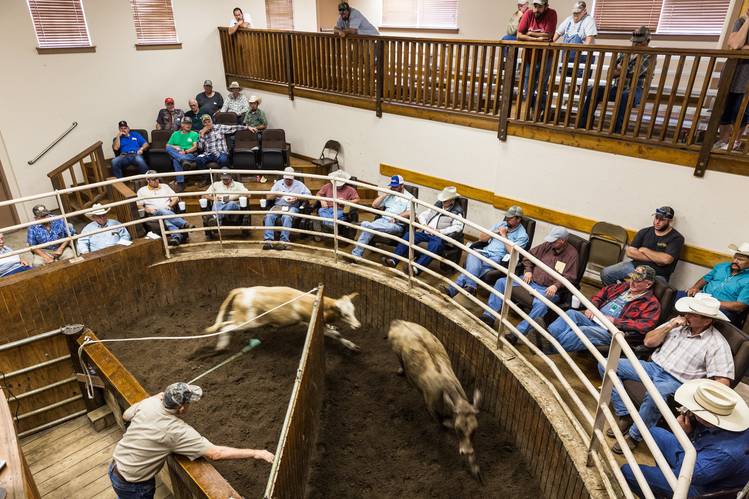
At National Livestock Insurance, we understand the daily challenges that livestock markets face across Texas. Our goal is to help auction operators identify potential risks, reduce losses, and protect their businesses with specialized livestock insurance solutions designed specifically for the agricultural industry.
What Is Livestock Auction Risk Management
Livestock auction risk management is the process of identifying, reducing, and preparing for the risks associated with operating a livestock market or sale barn. While no operation can eliminate every hazard, proper planning and the right insurance coverage can significantly reduce financial exposure.
Successful livestock markets focus on prevention while also preparing for unexpected events. Good risk management combines employee training, facility maintenance, livestock handling procedures, emergency planning, and specialized insurance coverage.
Together, these strategies help protect both the livestock and the long-term success of the business.
Why Risk Management Matters
Every livestock auction handles animals owned by other people. Once livestock enters your facility, your operation assumes responsibility while the animals are in your care.
Even experienced employees working in well-designed facilities cannot prevent every accident. Livestock are living animals that react differently to new environments, weather changes, transportation, and handling.
Unexpected situations can occur during unloading, sorting, weighing, penning, loading, or while animals are waiting for auction.
Having a solid risk management plan helps reduce the likelihood of these events while preparing your operation to respond effectively if they occur.
Common Risks at Livestock Auctions
Every livestock market is unique, but many operations face similar challenges throughout the year.
Animals may arrive after traveling long distances, increasing stress and fatigue. Weather conditions such as excessive heat, freezing temperatures, heavy rain, or high winds can create additional concerns.
Equipment failures, damaged gates, slippery walkways, overcrowded pens, and handling mistakes can also contribute to livestock injuries.
Even with careful planning, unexpected situations are part of the livestock industry. That is why combining good management practices with specialized insurance is so important.
Care, Custody, and Control Responsibilities
One of the most important concepts for auction operators is care, custody, and control.
When livestock owners deliver animals to your market, they trust your operation to safely care for those animals until they are sold or leave the facility.
During that time, your business may become responsible for covered losses involving livestock.
Many auction owners are surprised to learn that standard commercial liability insurance often does not provide protection for livestock under their care. Specialized livestock insurance is designed to help address this important exposure.
Building a Strong Risk Management Program
Every livestock auction should have written procedures that employees understand and follow consistently.
Routine facility inspections help identify damaged fencing, broken gates, unsafe flooring, or equipment that needs repair.
Employees should receive ongoing training in livestock handling techniques, emergency response procedures, and customer safety.
Maintaining clean facilities, reducing overcrowding, and minimizing stress on livestock also contribute to safer operations.
These small steps often make a significant difference over time.
The Role of Specialized Insurance
Risk management is about prevention, but insurance is about financial protection when prevention is not enough.
Livestock Auction Risk Management with National Livestock Insurance in Amarillo, Texas includes insurance solutions designed specifically for livestock markets and auction facilities.
Coverage may help protect against covered losses involving livestock while the animals are under your care, custody, and control.
Policy terms, limits, deductibles, and available coverage options vary depending on the operation and carrier. Working with an experienced livestock insurance agency helps ensure your policy matches your business needs.

.webp)